Come Off Season
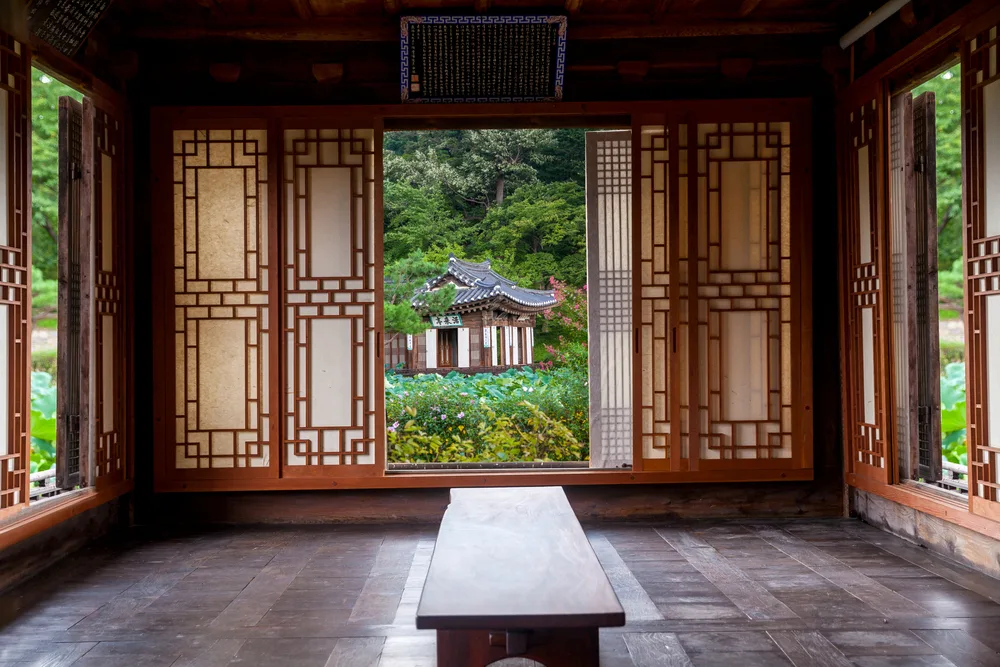
[유료 스톡] 클립아트코리아 구매 이미지
Korea’s high season is fixed: cherry blossom in April, autumn colour in October.
The photographs come out well and the weather is at its best, which is exactly why the crowds are at their heaviest. Flights and accommodation are also at their most expensive. If you’re coming partly to recover, we’d suggest avoiding both.
The prettiest season and the best season to recover aren’t the same
There are three reasons.
The first is people. A walking path during blossom season is less something you walk than something you’re carried along. Recovery depends on being able to go at your own pace and stop when you want to, and a crowd removes that option. Standing alone drains you, and every bench is already taken.
The second is UV. April and October feel mild enough to be careless about, but the UV index is already well up. April in particular has clear air, so the sun is stronger than it feels. If the treated area has to be kept out of direct light, this becomes a real constraint — both blossom and autumn colour involve long stretches outdoors.
The third is the temperature swing. April in Gangwon can top 20°C in the afternoon and drop into single figures morning and evening. In the mountains it’s more severe. It’s hard to know how to dress, and the body responds to the change. During recovery even small burdens like this register heavily.
Each month has different conditions
Across the year it runs roughly like this.
March Still cold with wide temperature swings; snow lingers in the mountains. Few people, but early for anything outdoors.
April Cherry blossom. Crowds and temperature swings together. Best avoided while recovering.
May Mild but UV climbs sharply. Public holidays cluster here, making weekend accommodation difficult.
Early June The month we’d recommend most. Before the rains, before the heat. Cool mornings and evenings, bearable afternoons. Foliage is at its thickest so the shade is deep — and there are few people about.
Late June to July The monsoon begins. High humidity, and outdoor plans get cancelled frequently.
Mid-July to end of August Rain and heat overlapping, in direct conflict with any need to avoid high temperatures. Typhoons arrive in this window too. The two hardest months.
Mid-September onwards Our second recommendation. The heat has broken and the autumn crowds haven’t arrived. UV is lower than in summer. It’s a window of about ten days, and visitors who come then report the highest satisfaction.
October Autumn colour, difficult for the same reasons as April.
November to February Almost empty. Itineraries move indoors and icy surfaces need care, but snow-covered landscapes are something no other season replaces. Just confirm first whether hot springs are possible for you.
Fine dust is generally higher between March and May, though the Gangwon east coast tends to be lower than the west.
The definition of high season simply reverses
On an ordinary trip, off season is a compromise. You miss things.
On a trip that includes recovery it works the other way. Fewer people, easier bookings, the ability to move at your own pace — that is what makes a season good. You’ll see deep June green instead of blossom, and it won’t feel like a loss.
Early June forest is arguably more striking than spring. The leaves have grown in fully so the light is filtered green, and walking beneath it the air itself seems a different colour. It doesn’t photograph well, but standing in it is unmistakable.
The same goes for the East Sea in September. The noise of summer has withdrawn, the water isn’t cold yet, and there aren’t many people on the beach.
Above all, you don’t have to hurry. No queuing, no anxiety about whether you’ll get a booking, and if today doesn’t work there’s always tomorrow. That’s the real reason to come at this time of year.
Recovery can’t be hurried either, and neither can this season.
Recovery Route thinks constantly about what proper rest requires. We look for the calmest places we can find, and we note the walking distances, the shade, and where you can sit down.
This article is travel information, not medical advice. Confirm any procedure or aftercare with the clinic that treated you.